
 Save
Save
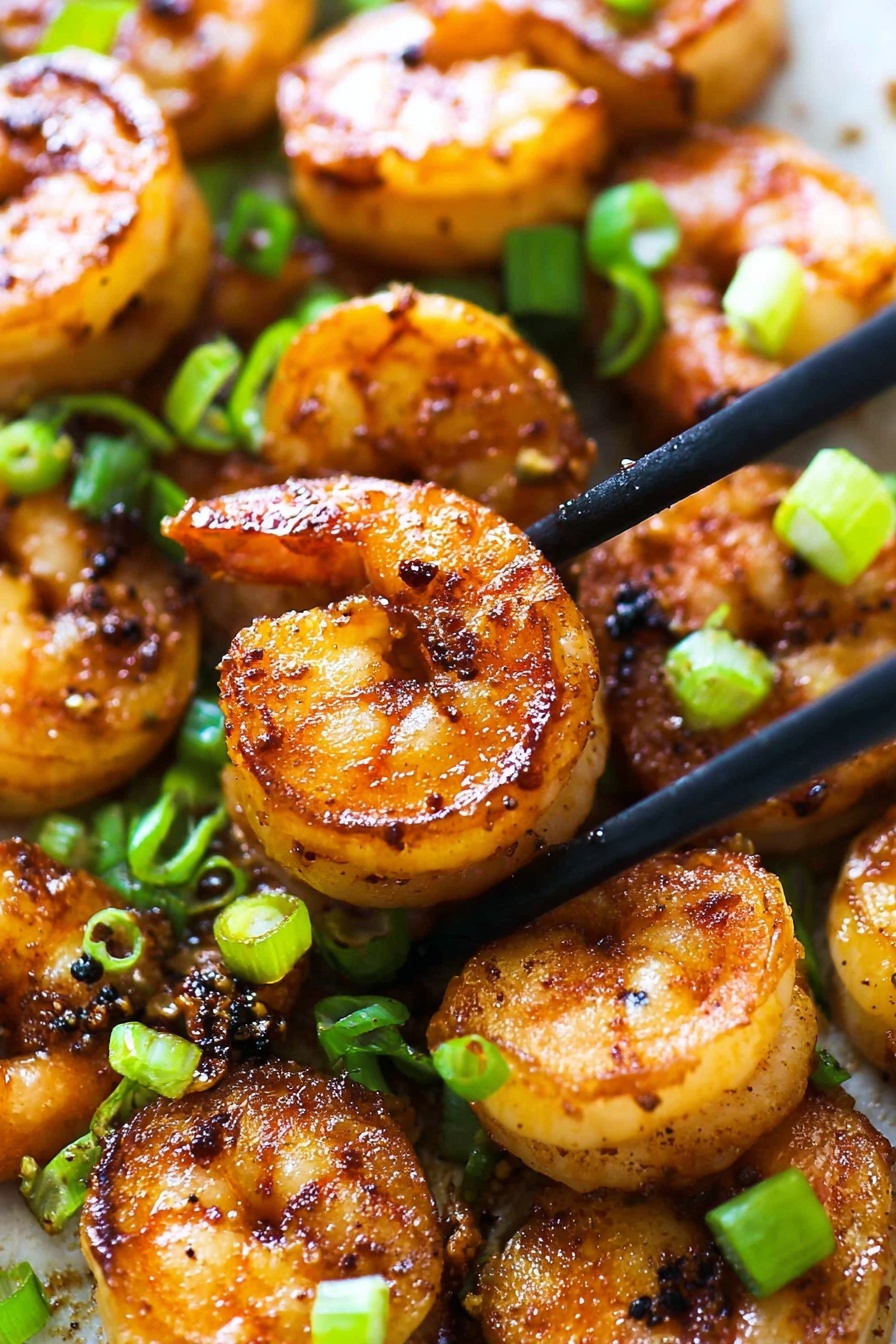
Peking shrimp is my quick fix when I want something impressive but easy enough for a weeknight. The balance of tender shrimp coated in a glossy sauce with sharp green onions always hits the spot. It comes together in just a few minutes which makes it perfect for those busy evenings when you want a restaurant feel at home.
I first made this after craving takeout and realized how easy it was to recreate at home. Now it is my go to when I want shrimp with a punch of flavor but no complicated steps.
Ingredients
- 1 pound shrimp: peeled and deveined Choose fresh or frozen with a firm texture and mild smell for the best taste
- 1 egg white: to help the cornstarch stick and give the shrimp a light tender coating
- 1 tablespoon cornstarch: for that crispy finish and to thicken the sauce slightly
- 2 tablespoons cooking wine: adds fragrance and depth Choose Shaoxing wine or dry sherry for authenticity
- 1 teaspoon sugar: balances the savory soy and enhances caramelization
- 1 tablespoon dark soy sauce: gives rich color and a deep umami flavor Pick a dark soy that is not too salty for balance
- 1 cup chopped green onions: adds brightness and freshness Chop just before cooking so they keep their vibrant flavor and color
Instructions
- Mix and coat:
- Whisk the egg white and cornstarch together until smooth. Dip each shrimp fully in the mixture so they are lightly coated. This creates a delicate crisp layer once cooked.
- Cook shrimp:
- Heat a well oiled skillet over medium high heat until hot but not smoking. Add shrimp in a single layer and cook for about 2 minutes on each side. You want them opaque with a light crust. Remove if done to avoid overcooking.
- Add flavors and simmer:
- Return shrimp to the skillet. Add the chopped green onions, cooking wine, sugar, and dark soy sauce all at once. Stir well to coat every shrimp with the sauce. Let it simmer for 1 minute so the flavors can meld and the sauce slightly thickens.
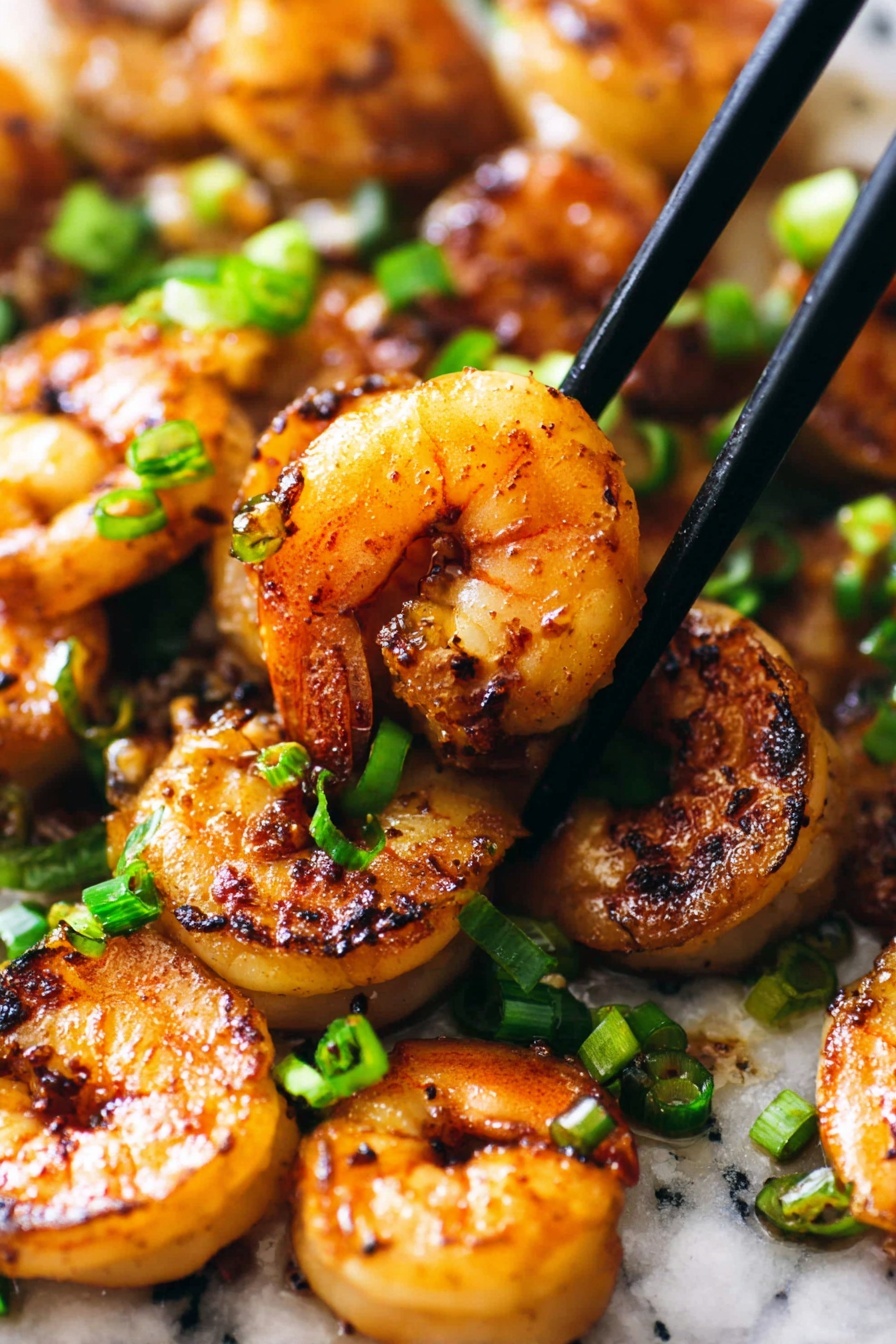
My favorite part is the finishing touch of fresh green onions. They add such a wonderful punch of flavor and texture at the end. It reminds me of the first time I served this dish to friends who could not believe it was so simple to make yet tasted so special and restaurant quality.
Storage tips
Store leftovers in an airtight container in the fridge for up to 2 days. The shrimp tends to firm up but you can gently reheat it in a skillet over low heat with a splash of water or cooking wine to rehydrate the sauce. Avoid microwaving directly or it can turn rubbery.
Ingredient swaps
If you cannot find dark soy sauce you can use regular soy sauce but reduce the amount slightly and add a pinch of molasses or brown sugar for color and sweetness. White cooking wine or dry sherry works best but if unavailable a splash of mirin or even a mild white wine can do in a pinch. For a different flavor profile add a small minced chili or a splash of sesame oil after cooking for a subtle heat and nuttiness.
Serving ideas
Serve over jasmine rice or simply alongside steamed vegetables for a clean plate. It also pairs beautifully with a simple cucumber salad dressed in rice vinegar and a touch of sugar for freshness. Garnish with extra chopped green onions or toasted sesame seeds for texture and aroma. For a heartier meal add a fried egg on top for richness that contrasts the bright sauce.
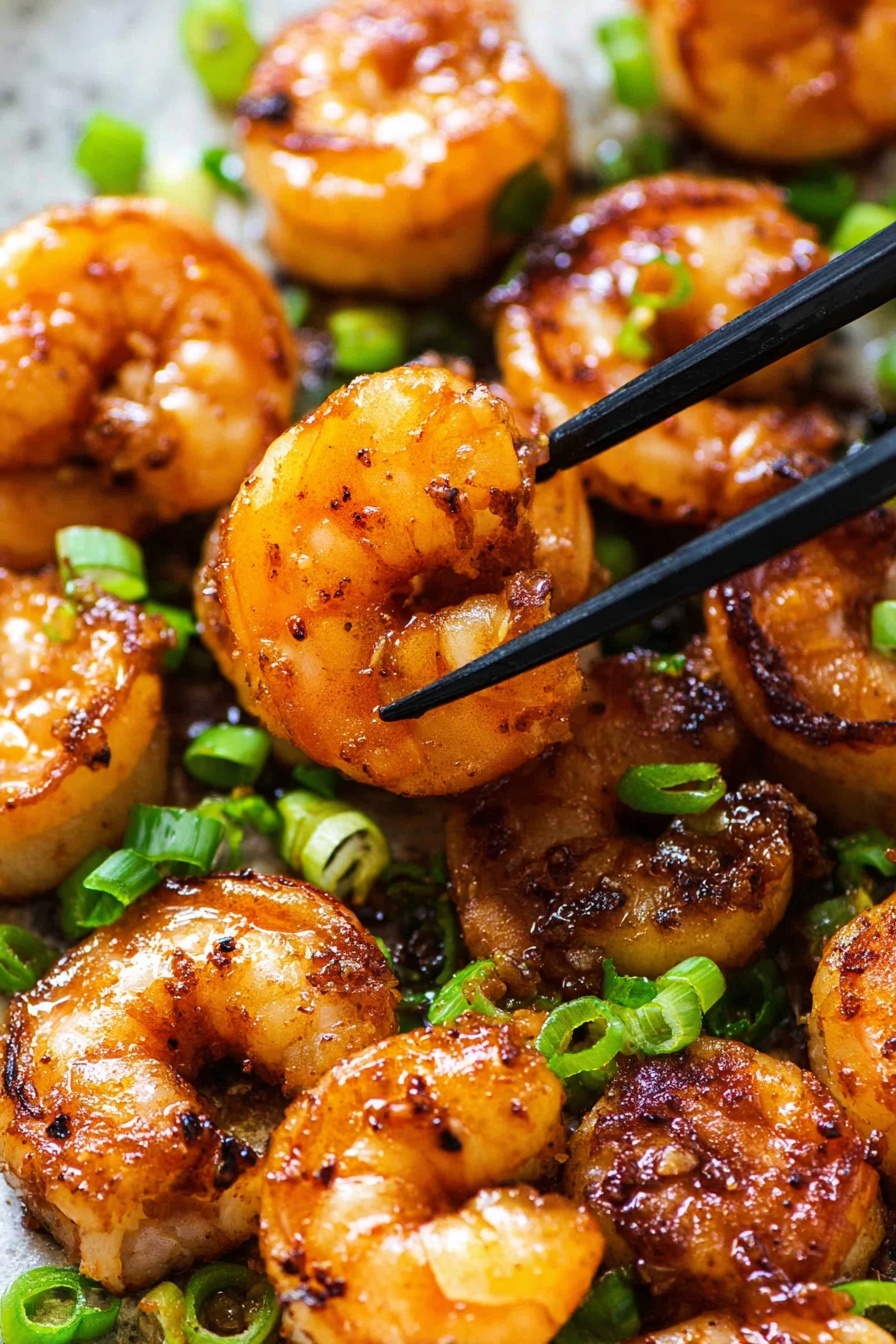
Peking shrimp is one of those dishes that feels fancy but is genuinely simple. It has become a staple when friends drop by unexpectedly or when I want something comforting and fast but crave an extra punch of flavor.
Frequently Asked Recipe Questions
- → What gives the shrimp its crispy texture?
The shrimp are lightly dipped in a mixture of egg white and cornstarch before cooking, which forms a delicate, crispy coating when seared in a hot skillet.
- → Can I use a different type of soy sauce?
Dark soy sauce provides a deep color and richer flavor, but you can substitute with regular soy sauce for a milder taste, adjusting the sugar slightly to balance.
- → How do the green onions contribute to the dish?
Chopped green onions add freshness and a mild pungency that brightens the savory glaze and complements the shrimp’s sweetness.
- → Is cooking wine necessary for flavor?
Cooking wine enhances the depth and complexity of the sauce, balancing sweetness and saltiness while tenderizing the shrimp slightly.
- → What is the ideal cooking temperature for the shrimp?
Medium-high heat allows the shrimp to sear quickly, locking in juices while creating a slight crust from the coating without overcooking.