
 Save
Save
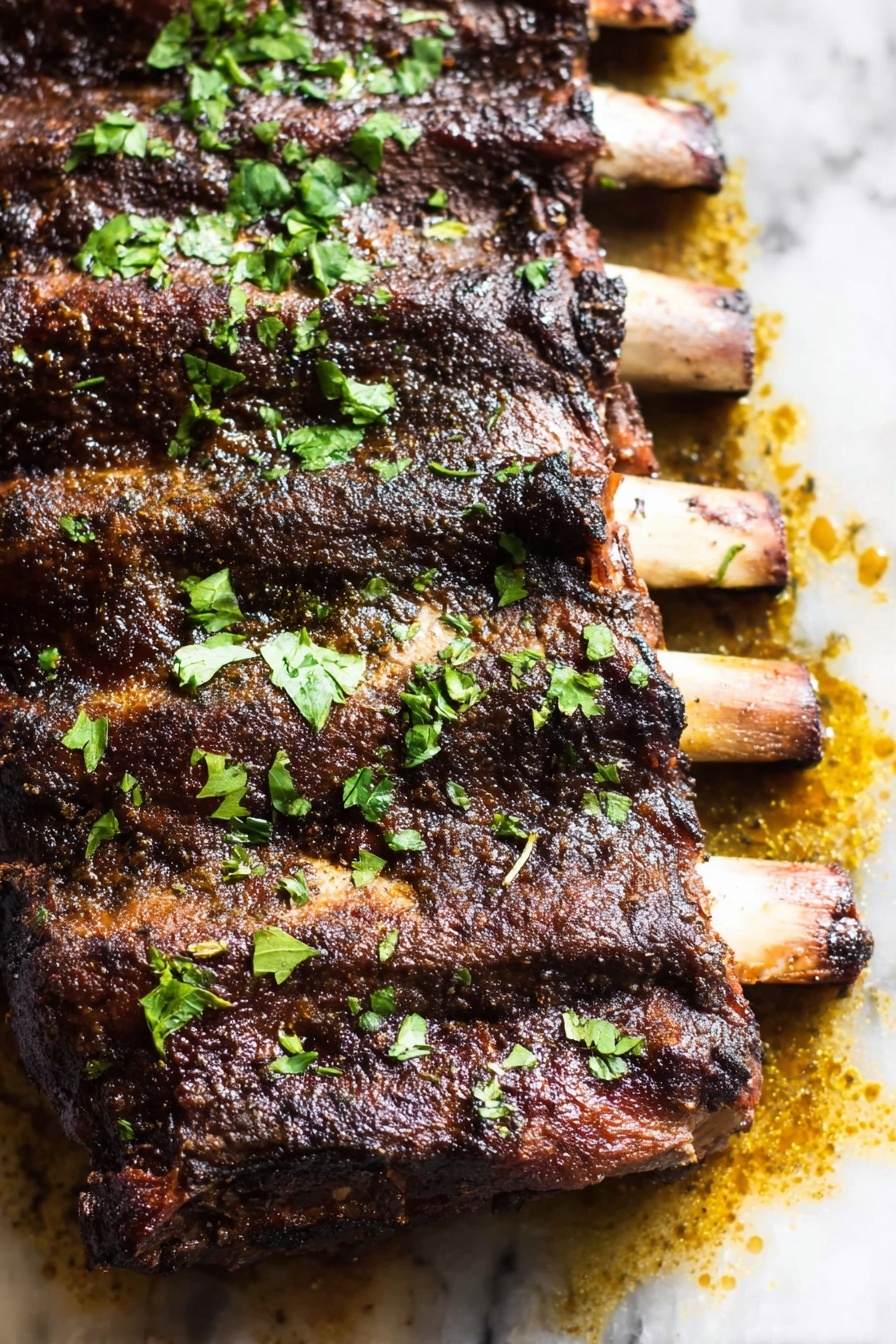
This slow-cooked bison ribs recipe is perfect for anyone looking to enjoy tender and flavorful meat without complicated steps. It is a fantastic choice when you want a rich and smoky meal using a protein that is leaner than beef but just as satisfying.
I first made these ribs on a chilly weekend when I craved something hearty but gentle on the oven. The result was so good it became an instant favorite around here.
Ingredients
- One rack of bison ribs: for a lean and flavorful cut that cooks beautifully slow
- Olive oil: helps the seasoning stick and adds moisture during roasting
- Kosher salt: is crucial for drawing out and enhancing natural meat flavors
- Freshly ground black pepper: adds a mild bite and complexity always better fresh
- Smoked paprika: brings smoky depth if you do not have smoked, regular paprika works but consider adding a touch of liquid smoke
- Garlic powder: infuses a savory note without overpowering
- Onion powder: rounds out the spice profile and adds a subtle sweetness
- Liquid smoke: creates that grilled flavor without needing outdoor equipment
- Beef or bison stock: keeps the environment moist during baking ensuring the ribs stay juicy
- Barbecue sauce: optional great for glazing in the final stage to add a sticky, caramelized finish
Instructions
- Preheat Oven and Prep the Ribs:
- Set your oven to 275 degrees Fahrenheit for slow cooking. While it heats, remove the membrane on the back of the ribs using a knife to lift it and a paper towel to grip it. Taking this step improves seasoning absorption and tenderness.
- Mix and Apply Seasoning:
- In a bowl combine the kosher salt, black pepper, smoked paprika, garlic powder, onion powder, and liquid smoke. Rub olive oil all over the ribs then coat every side evenly with the spice mixture to get a flavorful crust.
- Arrange Ribs and Add Moisture:
- Place the ribs bone side down in a roasting pan or on a foil-lined baking sheet. Pour half a cup of beef or bison stock into the bottom of the pan but do not pour it over the ribs. This will keep the air inside moist for even cooking.
- Cover and Bake Low and Slow:
- Cover the ribs tightly with foil to trap moisture. Bake for three to four hours until the meat is tender and easily pulls away from the bones.
- Optional Glaze and Caramelize:
- If desired, remove the foil during the last thirty minutes of cooking. Brush your favorite barbecue sauce over the ribs and increase the oven temperature to 350 degrees Fahrenheit to caramelize the sauce and add a sticky finish.
- Rest Before Serving:
- Take the ribs out from the oven and let them rest for ten minutes. This step helps distribute the juices throughout the meat and keeps it moist when you cut and serve.
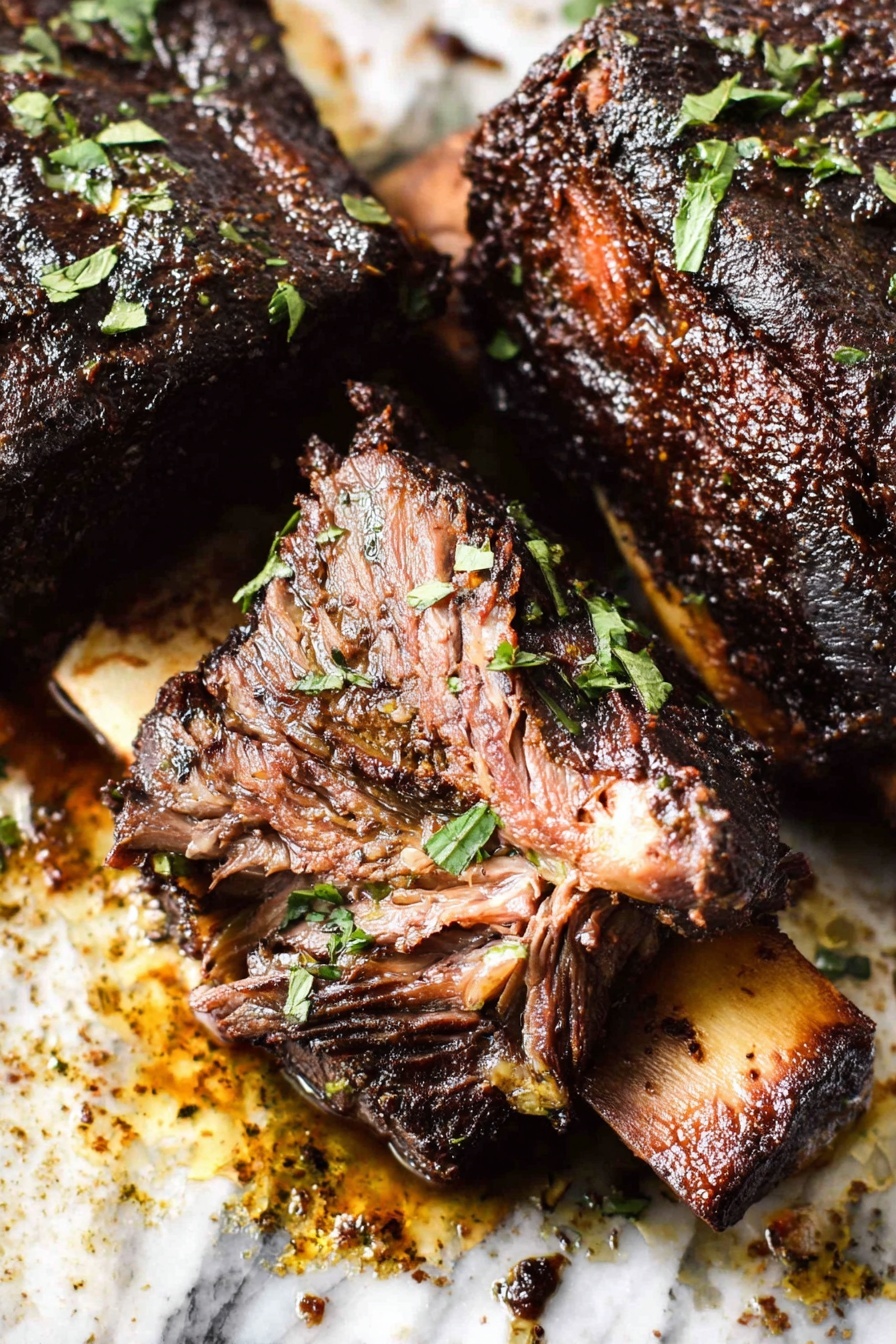
My favorite part is the smoky rub—they bring out the deep bison flavor without needing a smoker. This dish always reminds me of family gatherings where everyone savored each bite and asked for seconds.
Storage Tips
Ribs store well in the refrigerator for up to four days wrapped tightly in foil or plastic wrap. To reheat keep them covered loosely with foil in a low oven around 275 degrees Fahrenheit to preserve moisture. Leftover ribs make excellent sandwiches or can be chopped into a hearty stew.
Ingredient Swaps
If you cannot find bison ribs, beef ribs with a good amount of fat work well too. Liquid smoke can be omitted if you plan to use barbecue sauce for glazing since the sauce often has smoky notes. Use vegetable stock instead of beef or bison stock if you want a lighter cooking liquid.
Serving Ideas
Serve ribs with classic sides like creamy mashed potatoes or grilled corn on the cob for a perfect meal. Try it alongside a fresh coleslaw to cut through the richness. A simple green salad with vinaigrette adds brightness to balance the smoky meat.
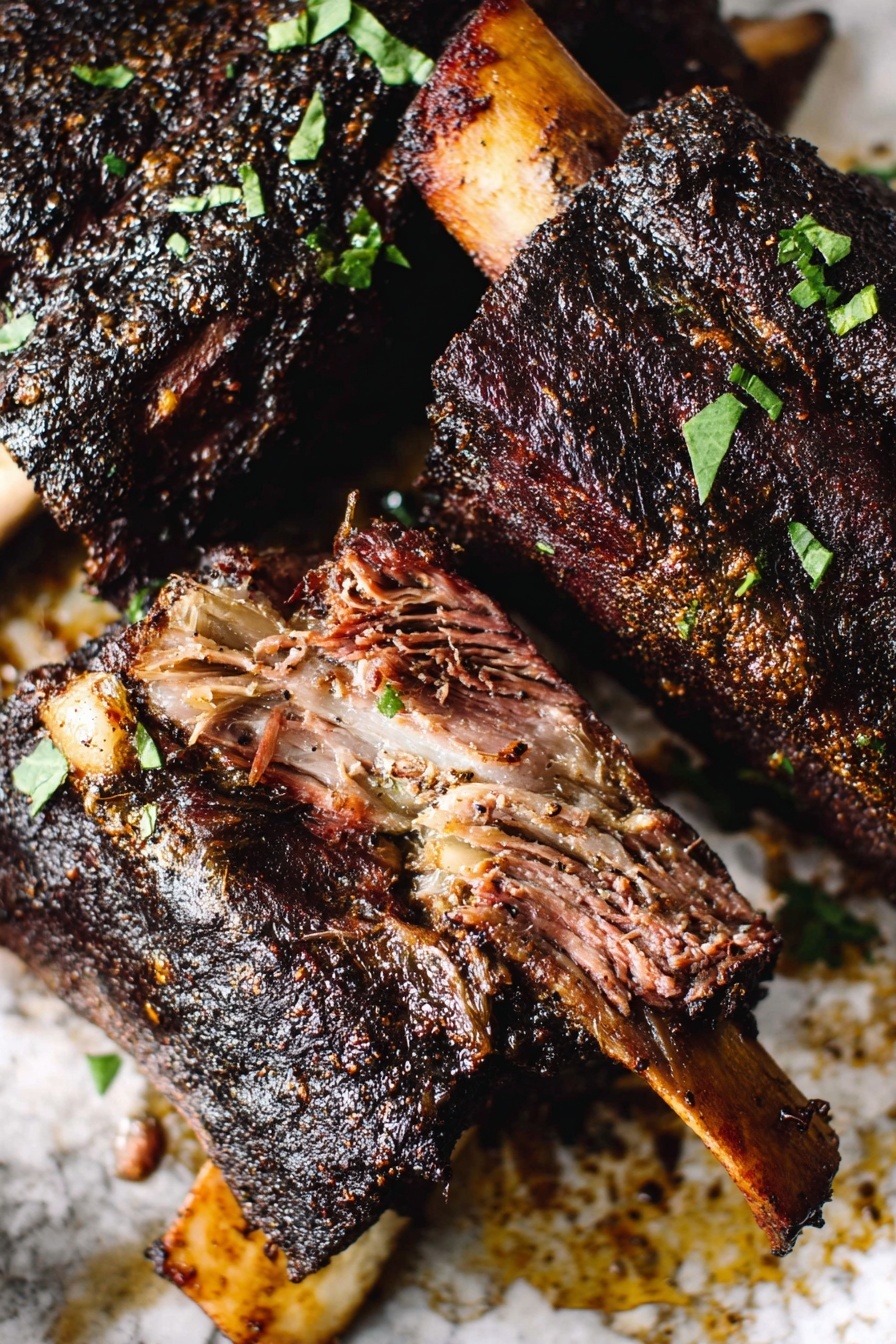
Friends and family have repeatedly told me these ribs rival any barbecue joint offering. Many have tried the recipe and come back with proud photos and stories about their own kitchen triumphs. It is a dish that turns casual dinners into celebrations.
Frequently Asked Recipe Questions
- → How do I remove the membrane from bison ribs?
Use a sharp knife to loosen the membrane at one end, then grip it with a paper towel for better traction and peel it off carefully to allow better seasoning absorption.
- → Why is slow cooking important for bison ribs?
Slow cooking breaks down tough connective tissue, resulting in tender, juicy ribs that easily separate from the bone.
- → What is the purpose of adding beef or bison stock during baking?
The stock adds moisture to the cooking environment, keeping the ribs juicy and preventing them from drying out.
- → Can I use regular paprika instead of smoked paprika?
Yes, regular paprika works well but smoked paprika adds an additional depth and smoky flavor to the ribs.
- → When should barbecue sauce be applied for glazing?
Apply barbecue sauce during the last 30 minutes of baking, then increase oven temperature to caramelize and create a flavorful glaze.