
 Save
Save
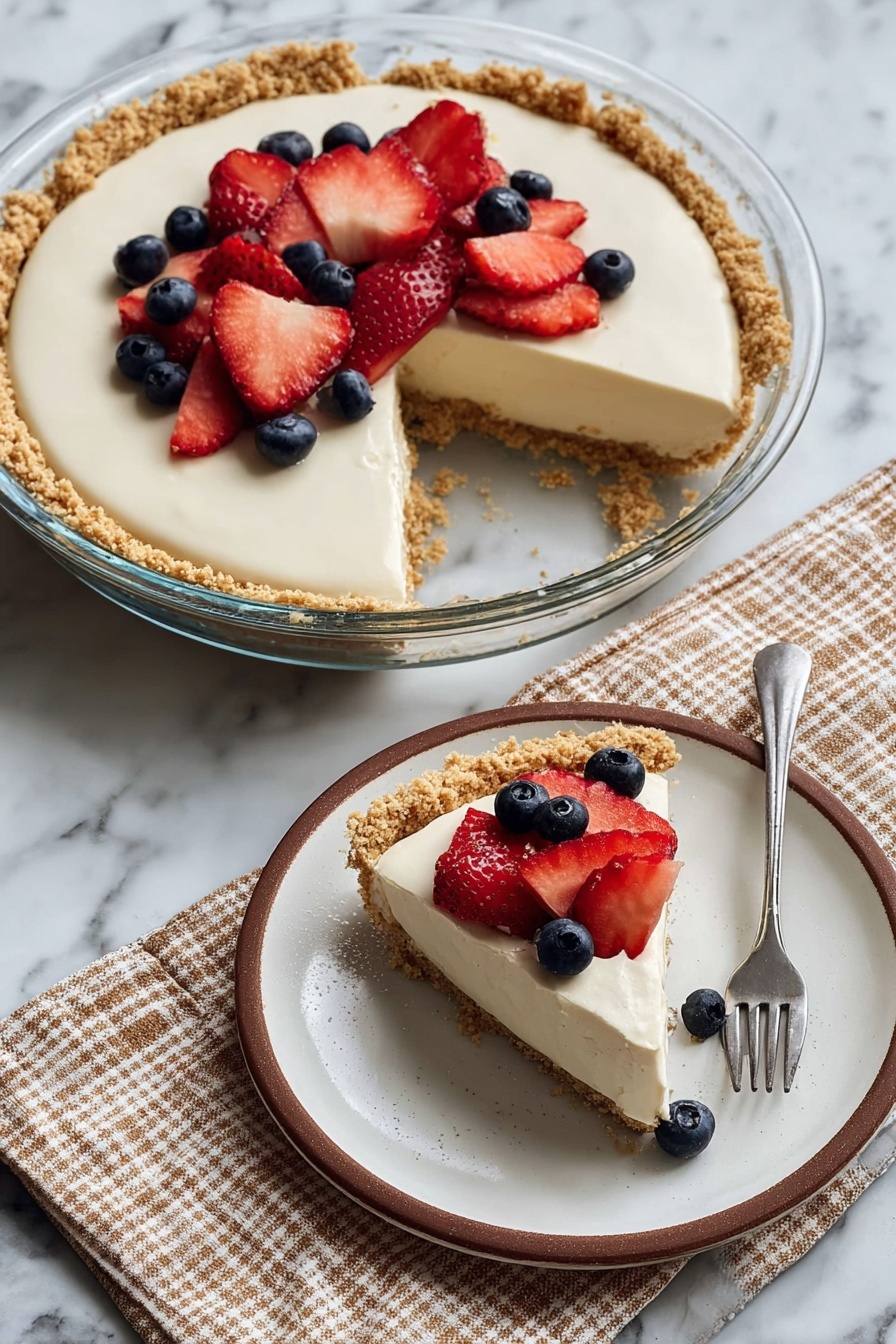
This oatmeal pie crust is a simple, wholesome alternative to traditional pie crusts that works wonderfully for no-bake or chilled pies. It brings a cozy, slightly nutty flavor to your desserts and feels hearty without being heavy. I often make this crust when I want something naturally gluten free and easy to throw together while prepping my favorite fillings.
I discovered this crust when looking for a lighter pie base without sacrificing texture. It quickly became a staple for my weekend dessert experiments.
Ingredients
- 2 cups old fashioned rolled oats: opt for certified gluten free if needed as freshness affects texture
- 3 tablespoons sugar: balances the oats and helps with browning
- ½ teaspoon cinnamon: adds warm spice, feel free to adjust based on your preference
- ¼ teaspoon fine sea salt: optional, use only if your butter is unsalted to enhance flavor
- 6 tablespoons vegan butter, melted: melts evenly and binds the oats, try to use a good quality butter for flavor richness
- 1 tablespoon maple syrup or agave: natural sweetness and moisture to hold the crust together
- ½ teaspoon vanilla extract: lifts the flavor for a subtle depth, choose a pure vanilla extract for best results
Instructions
- Build The Crumb Base:
- Put the oats, sugar, cinnamon, and salt if using into a food processor. Pulse for about 10 seconds until the oats break down but keep it somewhat coarse to preserve texture. This step ensures the crust won’t be too powdery.
- Add The Binding Ingredients:
- Pour in the melted vegan butter, syrup or agave, and vanilla extract. Process again until the mixture is evenly moist and clumps together when pressed. This cohesive mixture will bake into a sturdy crust.
- Press Into The Pie Plate:
- Spoon the mixture into a 9-inch glass or ceramic pie plate. Use the flat bottom of a glass or measuring cup to firmly press the oats evenly across the bottom and up the sides. Don’t skip this firm pressing step as it helps the crust hold shape during baking.
- Bake And Set:
- Bake at 350 degrees Fahrenheit or 177 Celsius for 16 to 18 minutes. The crust will set and become lightly golden. It may puff slightly near the end& if so, gently press it down with your measuring cup or spoon immediately after removing from the oven to keep it even.
- Cool Completely Before Filling:
- Let the crust cool fully for about an hour before adding any filling. This ensures it firms up and won’t get soggy once the filling is added.
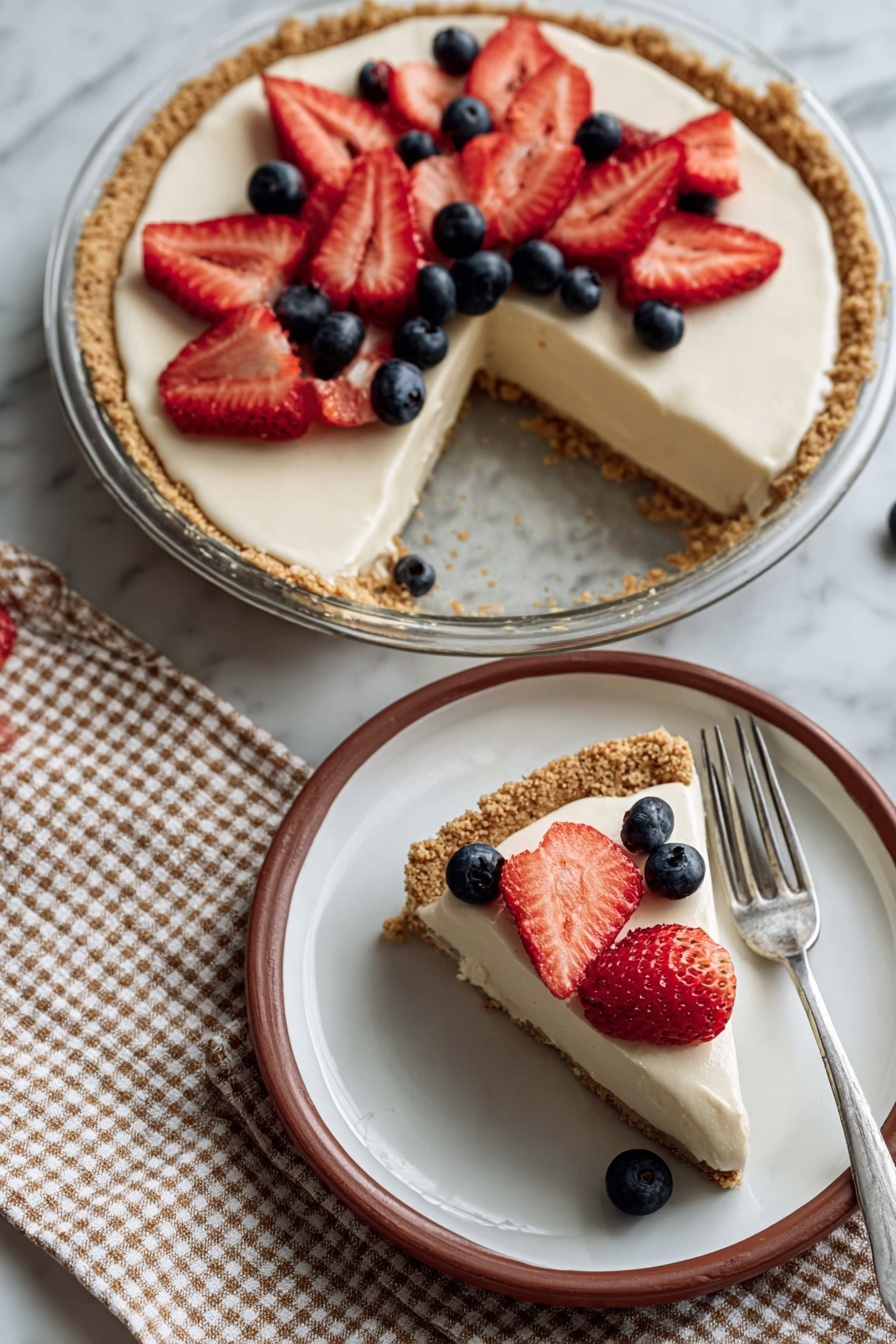
I love the way cinnamon warms up the oat flavor here, reminding me of cozy mornings. This crust is sturdy enough to hold creamy pies my family adores without fuss. It’s become a reliable go-to for whenever I want something simple yet different from a traditional flour crust.
Storage Tips
Store any leftover crust in an airtight container at room temperature for a day or two. It’s best to make the crust the day you plan to serve if possible to keep it crisp. Avoid moisture exposure to prevent softening.
Ingredient Swaps
Butter can be swapped for coconut oil melted if you prefer a different fat. The crust will set nicely but may have a subtle coconut flavor. Maple syrup may be replaced with brown rice syrup or light corn syrup for a less distinct sweetness.
Serving Ideas
Fill with no-bake cheesecakes, chocolate mousse, or chilled fruit fillings like lemon curd or berry compote. A dollop of whipped coconut cream pairs beautifully for a dairy-free finish.
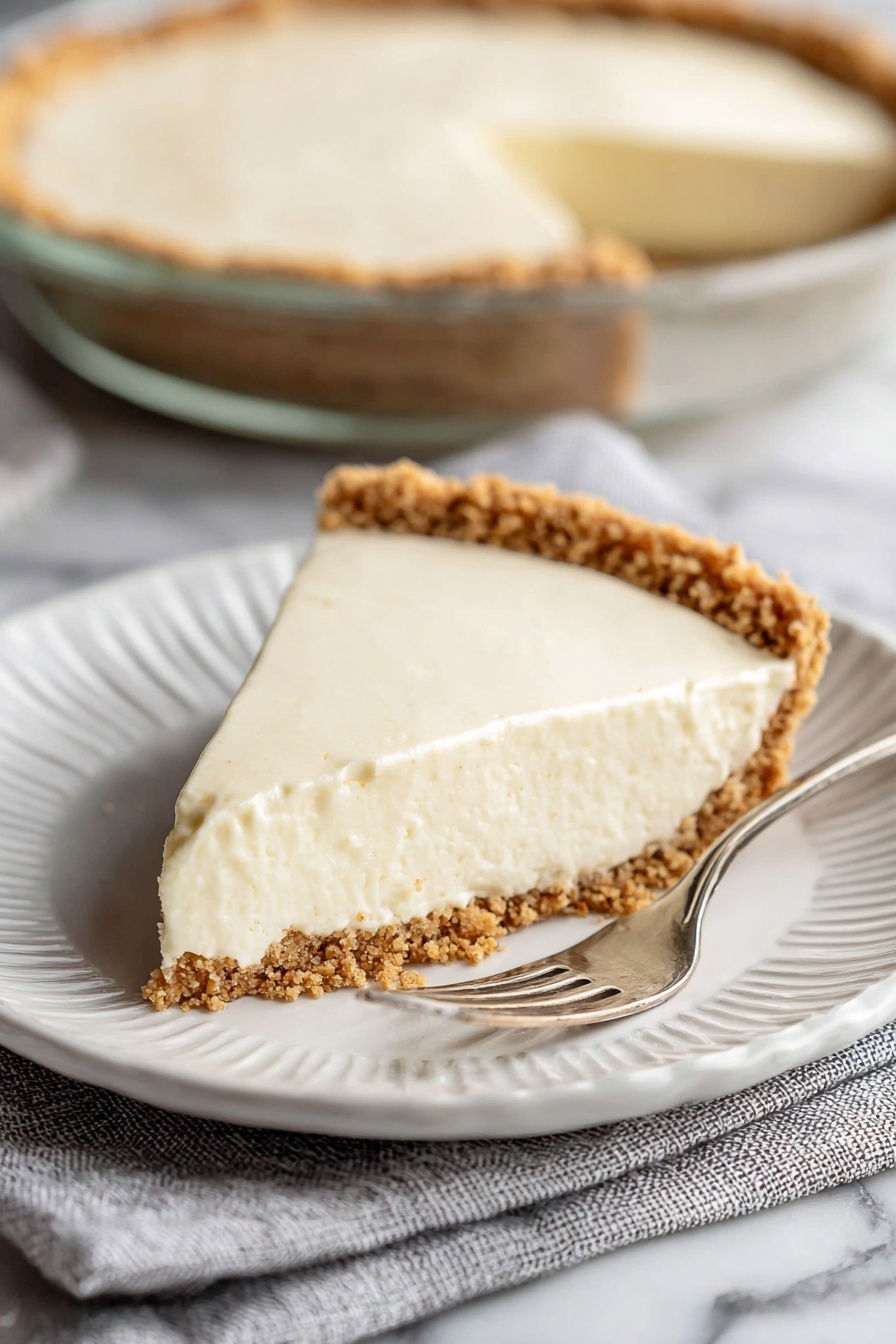
This oat crust is a delightful foundation for many chilled desserts and perfect for those seeking a nutty gluten free alternative to traditional crusts.
Frequently Asked Recipe Questions
- → Can I use gluten-free oats?
Yes, certified gluten-free rolled oats ensure the crust stays gluten-free without altering texture.
- → What can I substitute for vegan butter?
Plant-based margarines or coconut oil work well to provide moisture and help bind the oats.
- → Why is the crust pressed firmly before baking?
Pressing compacts the oats, helping the crust hold its shape and develop a crisp texture when baked.
- → Can I add spices besides cinnamon?
Yes, nutmeg or ground ginger can enhance the flavor, but use sparingly to balance the oats' natural taste.
- → How do I prevent the crust from puffing up while baking?
Gently pressing the crust down immediately after baking deflates any air pockets, ensuring an even, flat surface.