
 Save
Save
This foolproof empanada dough has been a game changer on my kitchen counter for quick weekend baking sessions. It delivers tender, flaky pastry that holds any filling beautifully whether baked or fried.
I stumbled upon this recipe when I wanted a reliable dough that did not get tough or crumbly. It quickly became my go-to for any hand pie I wanted to bake or fry.
Ingredients
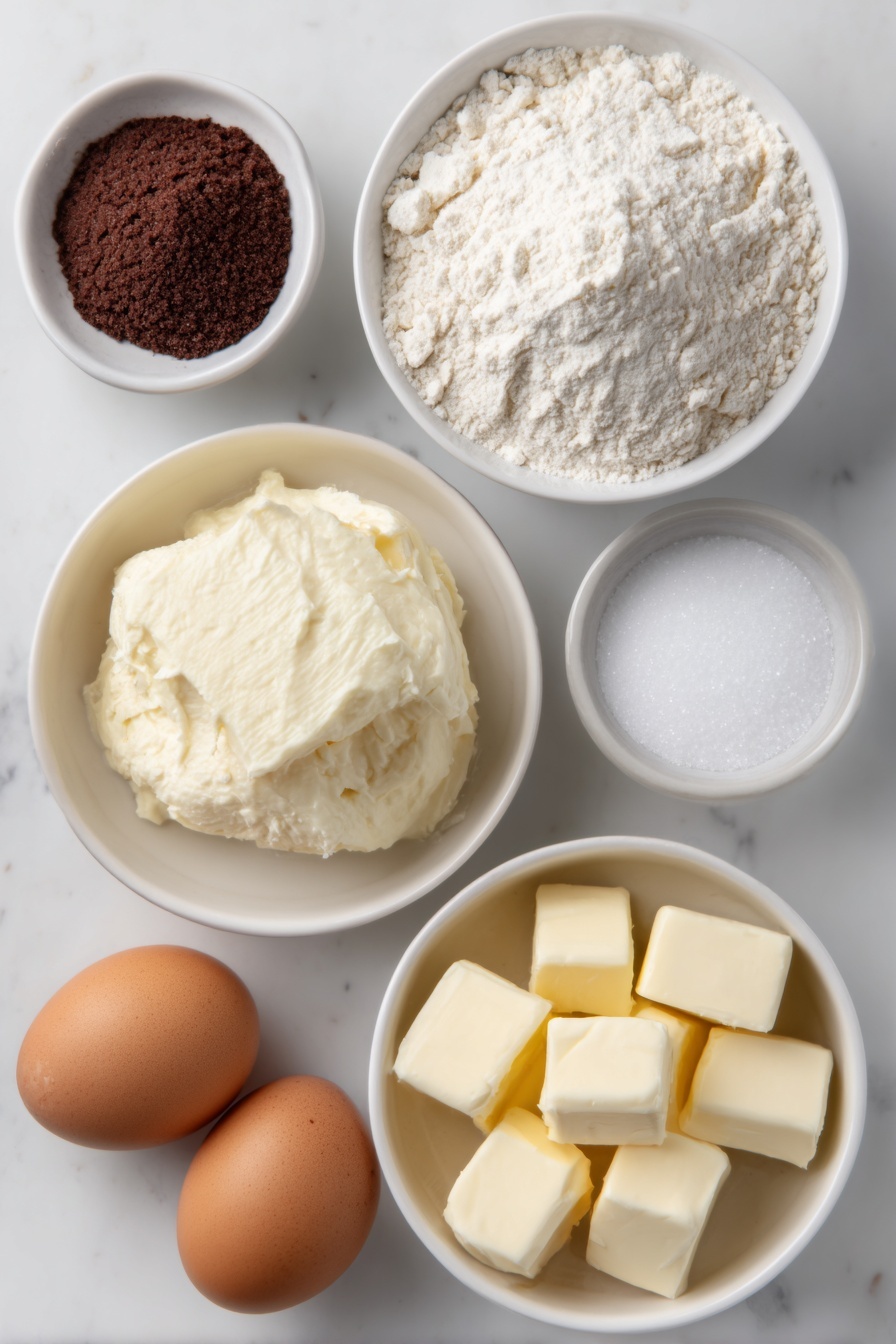
- 3 cups all-purpose flour: provides structure, choose unbleached for better flavor and texture
- 1 teaspoon salt: enhances flavor throughout the dough
- 1 teaspoon sugar: balances the salt and adds a slight sweetness for browning
- 1 cup very cold unsalted butter, cut into small cubes: key for flaky layers, use fresh butter for best results
- 1 large egg, lightly beaten: adds richness and tenderness
- 1/2 cup ice water: binds dough together while keeping it cool
- 1 tablespoon white vinegar: tenderizes dough and adds subtle flavor
Instructions
- Mix The Dry Ingredients:
- Whisk the flour, salt, and sugar together in a large bowl to combine evenly. Getting these fully mixed ensures consistent flavor in every bite.
- Cut In The Fat:
- Add the very cold butter cubes to the flour mixture. Using your fingertips or a pastry cutter, work the butter into the flour until the mixture looks like coarse crumbs with some pea-sized butter pieces left visible. These butter pockets create flakiness during baking. Avoid warming the butter with your hands.
- Prepare The Wet Ingredients:
- In a small bowl, whisk the lightly beaten egg, ice water, and white vinegar until combined. The vinegar will help tenderize the dough without affecting taste.
- Combine Wet and Dry:
- Make a well in the center of the flour mixture and gradually add the wet ingredients. Gently bring the dough together with a fork or your fingers without overmixing. Add more ice water if the dough is too dry but add it slowly to avoid a sticky mess.
- Chill The Dough:
- Turn the dough onto a lightly floured surface and shape it into a flat disc. Wrap tightly in plastic wrap and refrigerate for at least 30 minutes or up to two days. Chilling firms the fat and relaxes the gluten, which makes rolling easier and helps prevent shrinkage when cooking.
- Roll Out and Cut:
- Divide the dough into two equal parts. Roll one part on a floured surface to about one eighth of an inch thickness. Use a round cutter between four and six inches to cut dough circles for empanadas. Keep the unused dough refrigerated while you work.
- Fill and Seal:
- Place two teaspoons or more of your favorite filling in the center of a dough circle, leaving a half-inch border. Fold dough over to form a half-moon shape and press edges firmly to seal. Use your fingers or fork tines for a decorative finish. Make sure edges are well sealed to avoid filling leaks during cooking.
- Cook Your Empanadas:
- For baking, preheat oven to three seventy five degrees Fahrenheit. Arrange empanadas on a parchment lined tray. Brush with egg wash for a shiny golden crust. Bake for eighteen to twenty-two minutes until golden brown and puffed.
- For frying, heat two inches of oil to three fifty degrees Fahrenheit in a large pot. Carefully fry empanadas two to three minutes per side until deep golden. Drain on paper towels and serve warm.
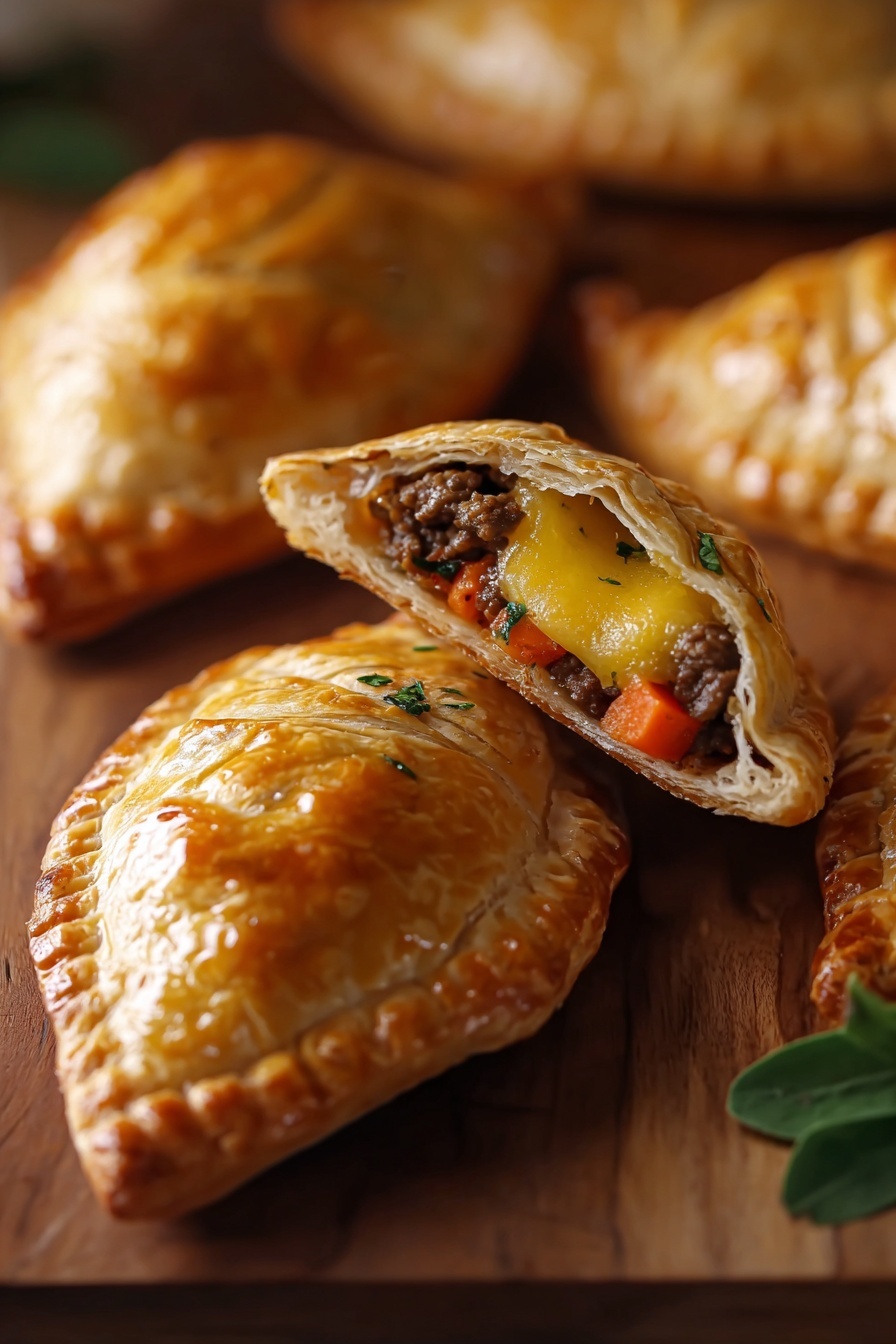
I love how the cold butter creates those flaky layers that give each bite a perfect balance of crisp and tenderness. Making empanadas always recalls family gatherings where everyone pitched in filling and folding the little parcels of comfort.
Storage Tips
Store baked empanadas in an airtight container in the fridge for up to three days. Reheat in a hot oven to bring back crispness.
Ingredient Swaps
Butter may be substituted with lard or vegetable shortening for a slightly different texture and flavor profile. I recommend unsalted options for control.
Serving Ideas
Serve empanadas with chimichurri sauce, a cooling yogurt dip, or simple salsa depending on the filling.
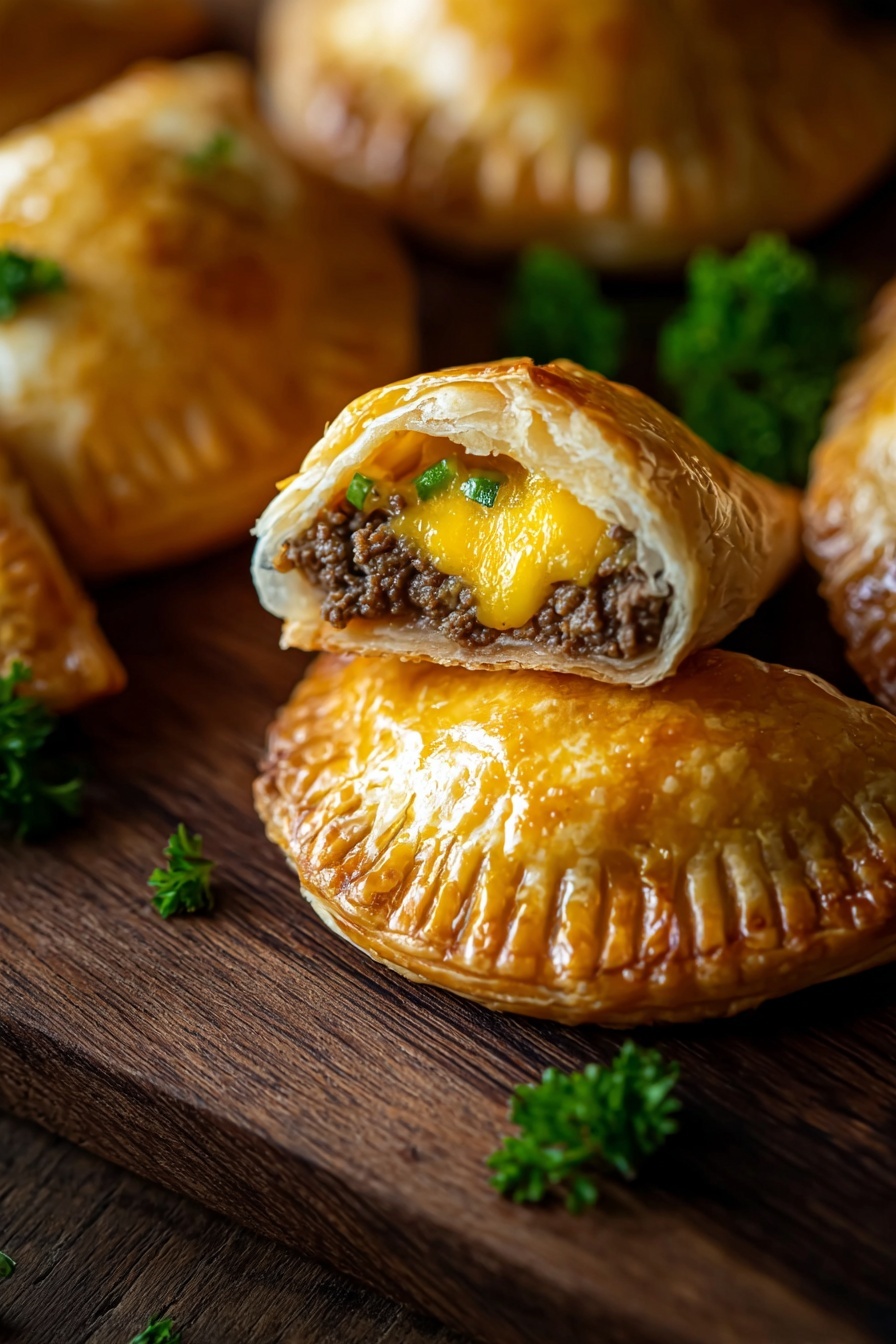
Rest the dough properly chilled for 30 minutes minimum; I have learned the hard way that shortcutting this step leads to shrinking and cracking.
Frequently Asked Recipe Questions
- → Why is the butter kept cold when mixing the dough?
Cold butter ensures the dough becomes flaky by creating small pockets of fat that melt during cooking, resulting in a tender texture.
- → What role does vinegar play in the dough?
Vinegar tenderizes the dough by weakening gluten formation, helping to keep the crust soft and flaky after baking or frying.
- → Can I substitute lard or shortening for butter?
Yes, lard or shortening can be used instead of butter for different textures and flavors, often creating a flakier or richer dough.
- → How thick should I roll out the dough?
Roll the dough to about 1/8 inch thickness to ensure it cooks through evenly and becomes crisp without being too thick or heavy.
- → Is chilling the dough necessary before shaping?
Chilling firms up the dough, prevents sticking, and helps maintain the butter's coldness for flakiness and easier handling during shaping.
- → What is the best way to seal the empanadas?
Pressing the edges firmly with fingers or a fork creates a secure seal, preventing the filling from leaking during cooking.