
 Save
Save
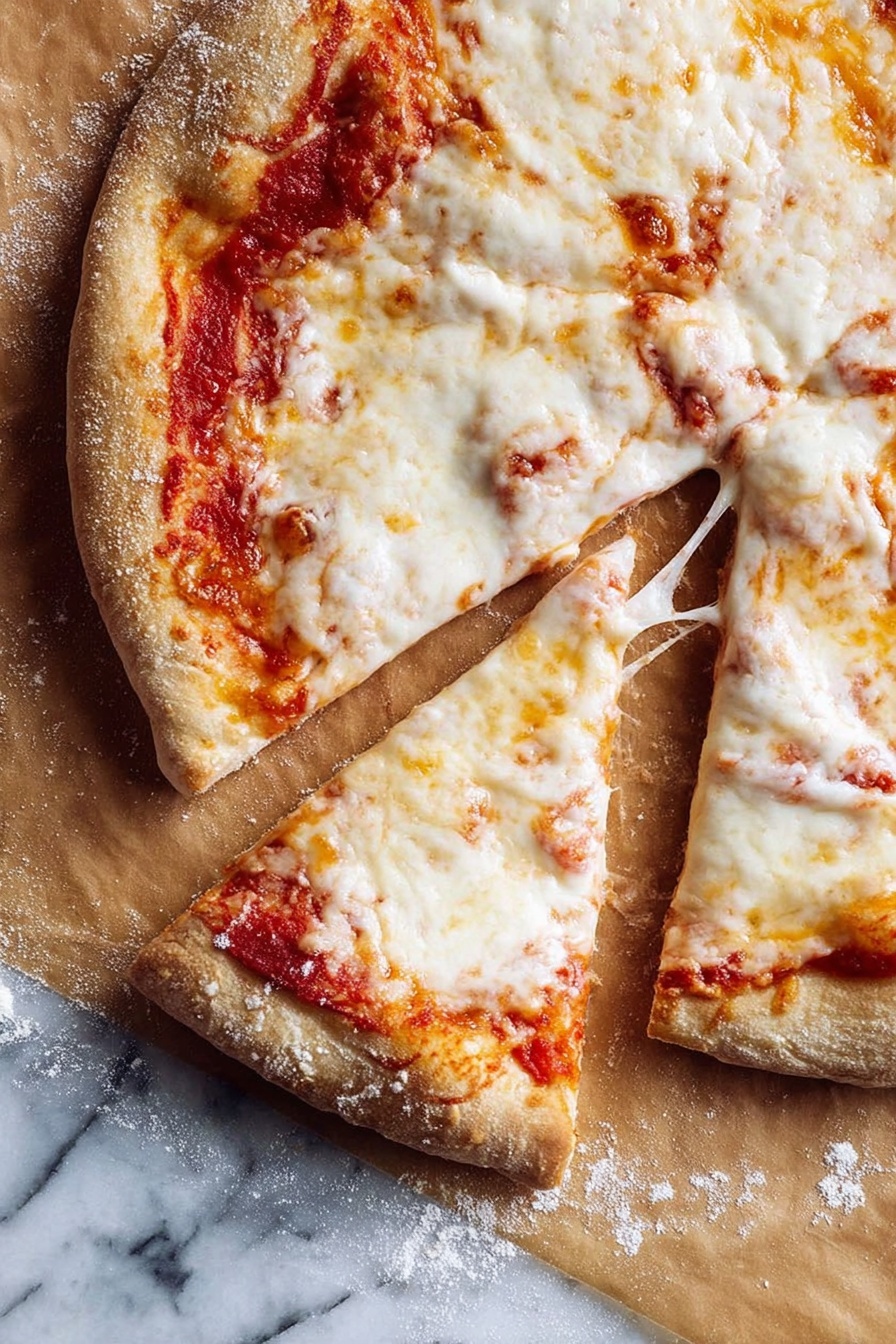
This pizza dough recipe is perfect for any home cook wanting to make fresh, homemade pizza right in their kitchen. It is straightforward and uses simple pantry staples while delivering a chewy, crispy crust that pairs beautifully with your favorite toppings.
I started making this dough on a whim when the local pizzeria was closed one night. It quickly became our weekend tradition for homemade pizza parties.
Ingredients
- Bread flour: provides the gluten structure needed for a chewy and elastic dough. Look for unbleached bread flour for the best rise and texture
- Sugar: helps activate the yeast and adds a subtle sweetness balancing the savory base
- Salt: not only seasons the dough but also strengthens gluten bonds for better dough resilience
- Yeast: is essential for leavening. Using active dry yeast ensures a steady rise, just bloom it properly in warm water
- Warm water: is used to activate the yeast. Test that it feels comfortably warm, like a warm bath, because too hot or too cold water can kill or slow the yeast
- Olive oil: enriches the dough, adding softness and a slight fruity note. Use extra virgin for the best flavor
Instructions
- Mix The Dough:
- In a large bowl combine the bread flour sugar salt and yeast. Pour in the warm water and add a drizzle of olive oil. Stir everything together until it starts forming a rough dough.
- Knead For Texture:
- Turn the dough onto a floured surface and knead it by pushing folding and turning with the heel of your hand for about 8 to 10 minutes. This develops gluten making the dough smooth and elastic.
- First Rest And Rise:
- Lightly oil a clean bowl and place your dough inside. Cover it with a damp cloth or plastic wrap and let it rest in a warm spot for about 1 hour until it doubles in size. This is when the dough becomes airy and flavorful.
- Shape And Prepare:
- Punch the dough down gently to release air bubbles. Roll or stretch it out on a floured surface to your desired pizza size and thickness. Transfer to a pizza stone or baking sheet and it is ready for toppings.
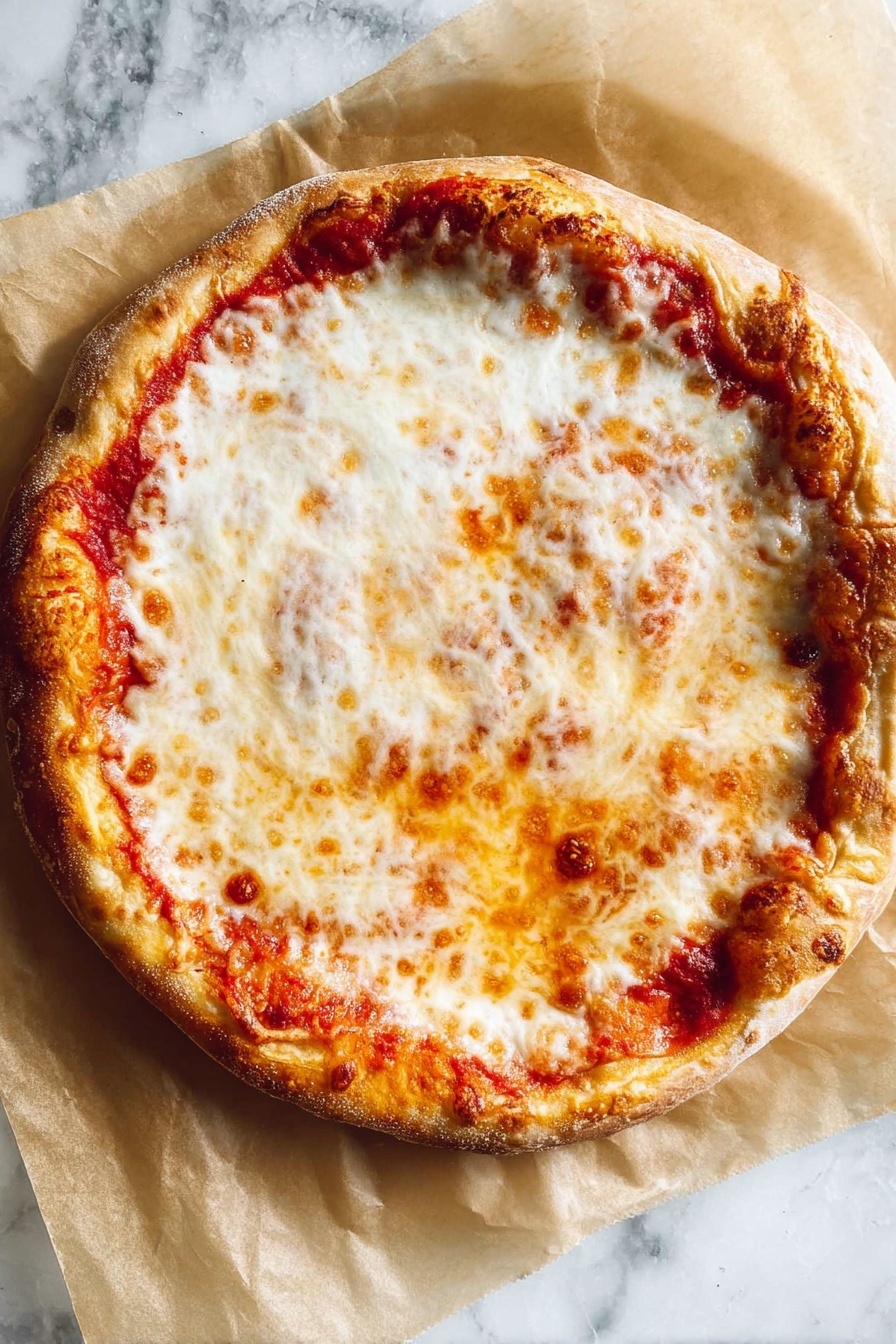
Olive oil is my favorite ingredient here because it makes the dough soft and easy to work with plus it adds a beautiful hint of fruitiness. One of my best memories with this dough was making pizzas with my kids and letting each choose their own toppings which created a fun and delicious family night.
Storage tips
Store any unused dough in an airtight container in the refrigerator for up to 3 days. Let it come to room temperature before shaping to make it more pliable. You can also freeze the dough by wrapping it tightly in plastic wrap and then placing it in a freezer bag for up to 3 months. Thaw overnight in the fridge before use.
Ingredient swaps
You can substitute all-purpose flour but expect a slightly less chewy crust as it has less protein than bread flour. For a gluten-free option try a well-balanced gluten-free flour blend but handling this dough will differ. If you do not have sugar you can skip it but it may slow yeast activation slightly.
Serving ideas
Top with classic tomato sauce mozzarella and fresh basil for a Margherita style pizza. For a quick dinner try a white pizza with garlic olive oil ricotta and spinach. Leftover dough can also be fried in small rounds for crispy pizza bites.
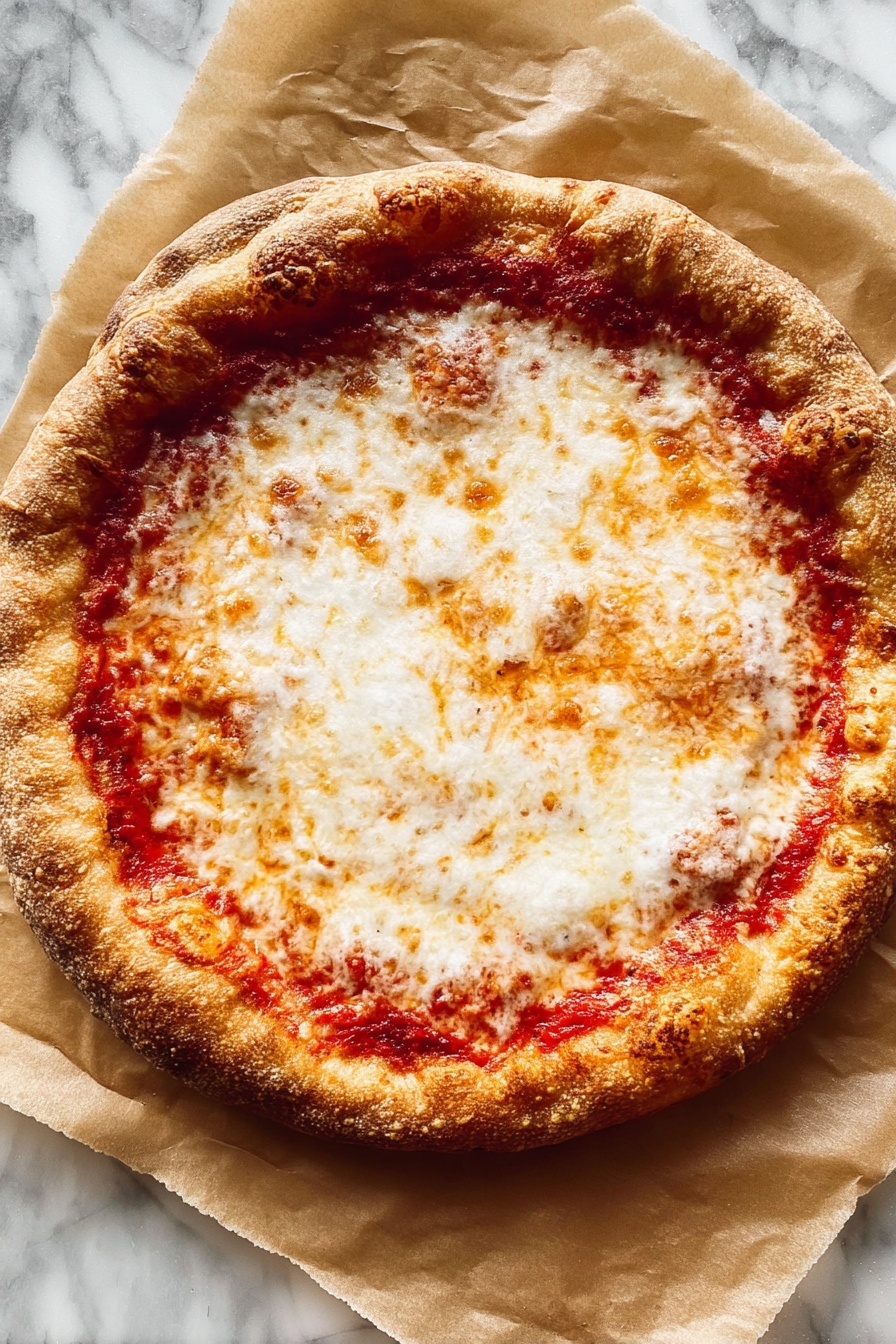
This dough recipe combines simplicity and tradition for a perfect homemade pizza experience every time.
Frequently Asked Recipe Questions
- → What flour is best for pizza dough?
Bread flour is ideal because its higher protein content helps develop gluten, giving the dough strength and chewiness.
- → Why is kneading important?
Kneading develops gluten strands which provide structure and elasticity to the dough, allowing it to hold its shape and rise well.
- → How long should the dough rest?
Resting for about one hour allows the dough to ferment, improving flavor and making it easier to stretch.
- → Can I use warm water for activating yeast?
Yes, warm water around 100-110°F helps activate the yeast, promoting good rising without killing it.
- → What role does olive oil play in the dough?
Olive oil adds moisture and richness, improving dough texture and resulting in a tender crust.